Connect to the therapy service that you are looking for.

Individual Therapy
50 - 60 Minute sessionsExplore problems, patterns, emotions and life transitions within the context of your history, relationships, and sense of self. Online or in-person.
Spirituality and Inner Work
50 - 60 Minute sessions
Conversations that explore your relationship to deeper meaning, big questions, and inner life.

EMDR Therapy
80 - 90 Minute SessionsEye Movement Desensitization and Reprocessing Therapy - a technique combining talk therapy and movement to heal from anxiety-inducing trauma.

Couple Therapy
80 - 90 Minute SessionsSupport for addressing conflict and disconnection, building trust and creating change. Online or in-person.
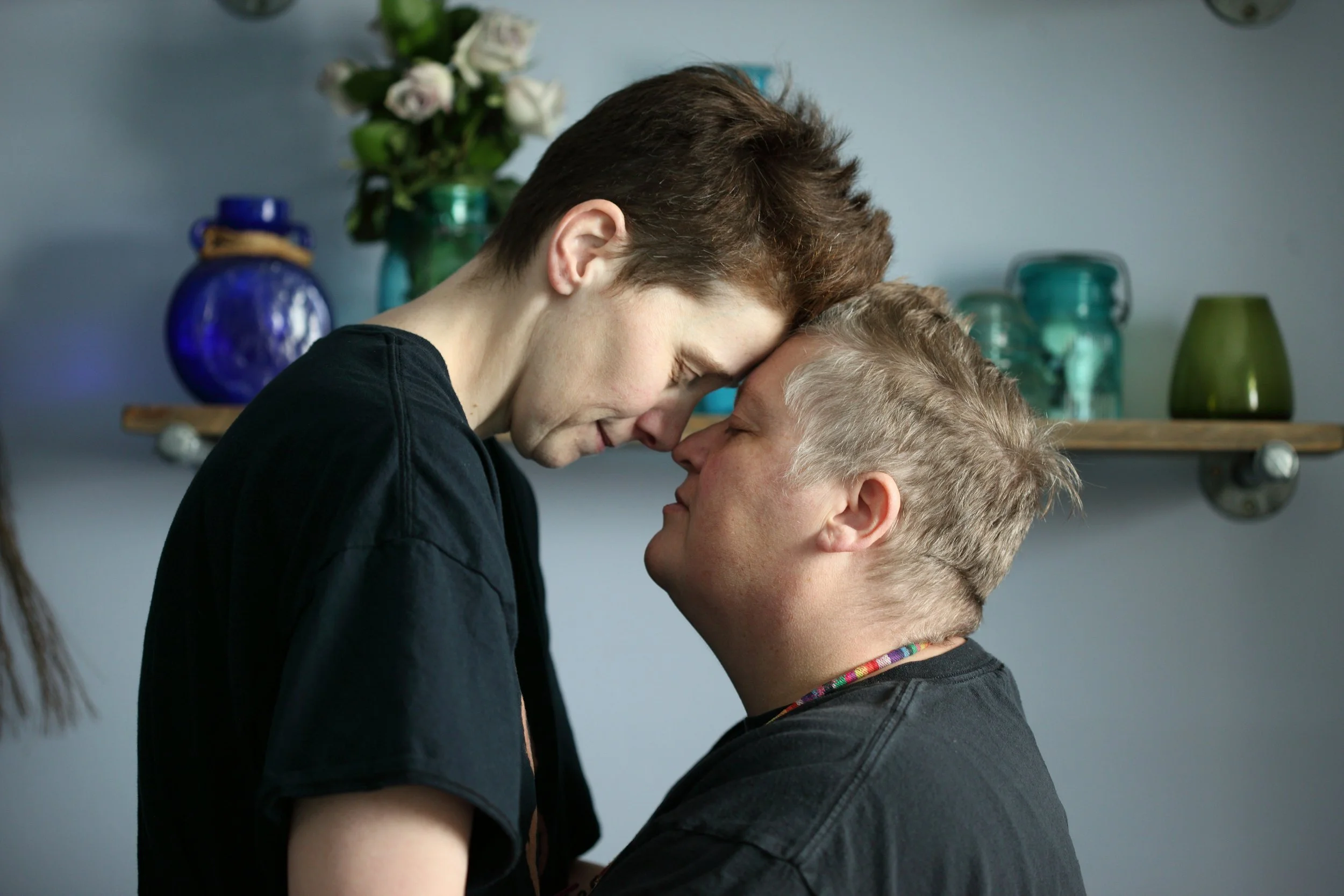
Therapy for diverse relational and sexual identities.
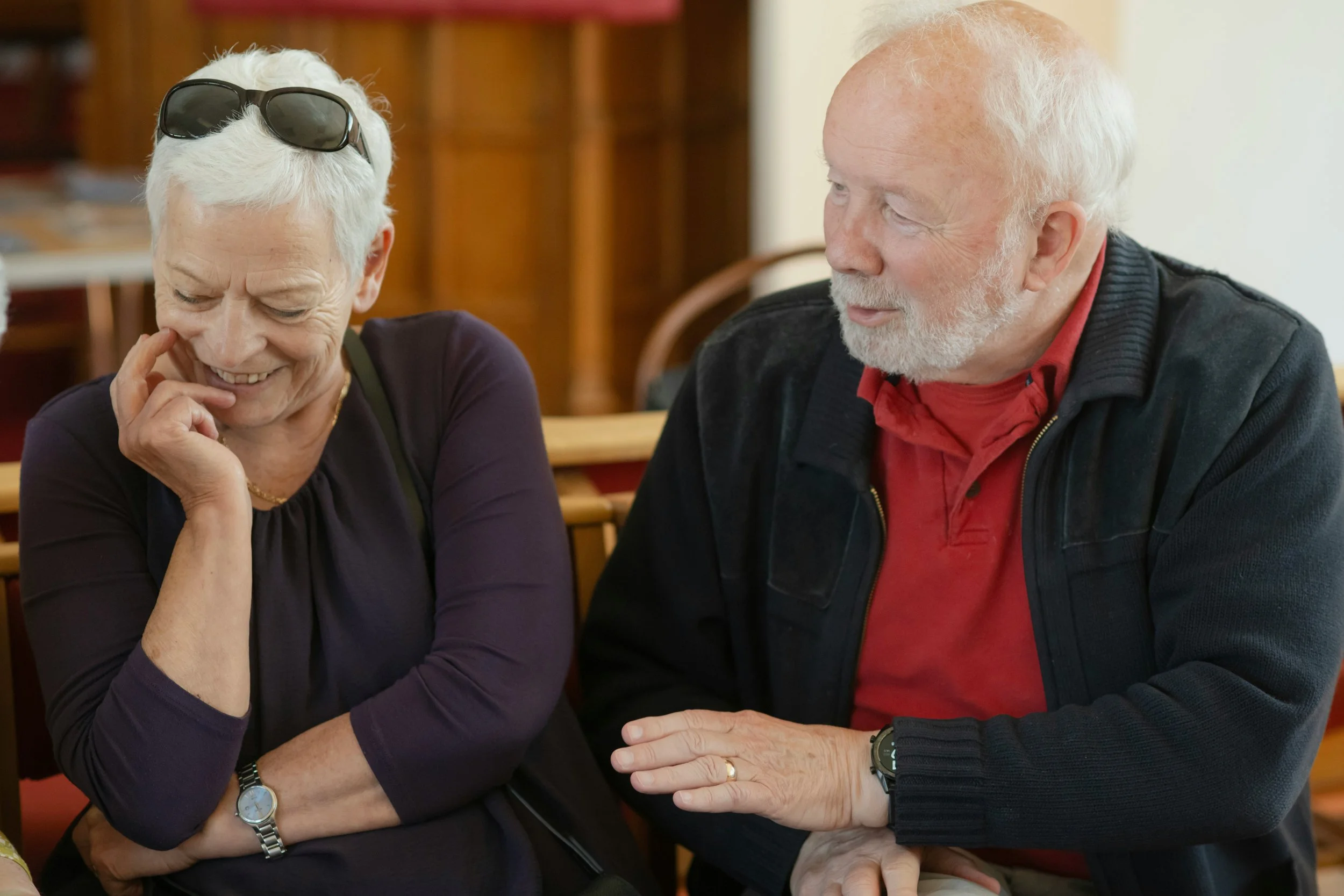
Welcoming older couples building deeper intimacy.

3-Day Couples Intensives
Over the course of three days, you will experience a focused program of couple therapy following the four distinct phases of Relational Life Therapy.
18-20 hours of concentrated therapy will bring you the answers and skills you have been looking for.

Family Therapy
80 - 90 Minute SessionsWorking through challenges, roles, and conflicts in order to create more functional and supportive relationships. Online or in person.

Separation and Divorce Therapy
80 - 90 Minute Sessions
Whatever stage of the breaking-up process you find yourself in, therapy can help you find your way through this difficult period. I can help you navigate both practical and emotional issues, either as an individual or a couple.
Individual therapy in Winnipeg
Do you feel stuck, stressed out, or unsure where to turn? Together, we can take time to understand your story.
To begin we will explore where you are, and where you’d like to be: your goals for therapy. I will then also ask you about your family of origin, current relationships, and life circumstances to get an understanding of your context and history. We will uncover your emotional patterns formed through life experience—patterns that can change. Through awareness and compassion, healing and change become possible.

-
Therapy can be a helpful place to reflect on and process distress we experience with the people in our lives.
If you are experiencing indecision or ambivalence, conflict, or lack of connection, therapy can help you understand and find solutions.
-
Anxiety often reflects both present-day stress and deeper patterns rooted in past experiences or learned ways of coping.
Together, we work to understand what is driving the anxiety while also building practical tools for calming your nervous system.
This may include parts work, identifying and shifting thought patterns, and using mindfulness and somatic awareness to help calm the nervous system.
-
Anger is often a signal that something deeper is present - hurt, fear, or unmet needs. In therapy, we explore what lies beneath the anger while also developing healthier ways to express, regulate, and respond to strong emotions.
Therapy can also help with depression, mood fluctuations, or sensitivity to your environment. Using mindfulness and skills that regulate emotions, we can help you develop the balance and resilience you seek.
-
Questions or challenges related to sexuality and identity can be deeply personal and difficult to explore alone. This may include sexual concerns, sexual identity, or gender identity. I offer a respectful, non-judgmental space to help you move toward greater clarity and confidence.
-
Periods of change can be both meaningful and destabilizing. Even positive transitions can bring uncertainty and stress. Together, we work to help you move through these transitions with greater clarity, support, and steadiness.
-
Early relational experiences can leave lasting emotional imprints that continue to shape how you feel, think, and relate to others.
Therapy focuses on helping you safely process these experiences, understand their impact, and support healing at a deeper level.
This may include parts-based work such as Internal Family Systems and Schema Therapy, as well as EMDR to help the nervous system process and release trauma. (See below)
-
Later stages of life can bring important questions about identity, purpose, loss, and meaning. Therapy can help you move from feelings of being lost to a sense of clarity and purpose.
-
Addiction often develops as a way of coping with unresolved pain. In therapy, we look beyond the behaviour itself to understand the deeper patterns that keep you stuck, while also building practical tools for change.
-
Struggles with food and body image are often connected to deeper emotional and relational patterns. In therapy, we explore the underlying dynamics. The goal is not only behaviour change, but a more compassionate and sustainable relationship with yourself.
-
Grief and loss can touch every part of life, bringing sadness, numbness, anger, confusion, or a deep sense of disorientation. Therapy offers a supportive space to process your experience at your own pace. Together, we can honour your grief and support healing that is grounded in your own unique experience.
Common concerns
LOOKING FOR A REDUCED RATE? Lower fee individual therapy is available with our student therapist Jenna. Click here to learn more.
EMDR Therapy in Winnipeg
EMDR (Eye Movement Desensitization and Reprocessing) is a therapy approach designed to help people heal from distressing experiences that continue to affect the present. When difficult memories remain “stuck,” they can contribute to anxiety, overwhelming stress or emotional reactivity that feels hard to change.
EMDR helps the brain process these experiences in a way that reduces their emotional intensity so they feel less activating and disruptive. Many people find that EMDR helps them feel calmer, more grounded, and better able to respond to life in the present rather than from the pain of the past. If you are struggling with panic, traumatic and intrusive memories or nightmares, reach out to see if EMDR could be for you.

Spiritual Exploration
There are times in life when the questions we carry go beyond problem solving.
who am I, really?
what gives my life meaning?
why do I feel disconnected, even when things seem fine?
what is my place in the larger picture of life?
This is the realm of the inner life.
Spiritual exploration in therapy is not about adopting a particular belief system. It is about creating a space to reflect on, question, and experience your inner life as more fulling. This can include:
exploring your sense of meaning and purpose
examining beliefs or experiences related to spirituality or religion
healing from harmful, coercive, or restrictive spiritual environments
developing a more compassionate and grounded relationship with yourself
deepening your capacity for open-hearted presence, awareness, and connection; learning mindfulness, meditation and other practices
Respect for Your Path
Your beliefs, questions, and experiences are your own. Whether you come from a specific religious background, feel uncertain about spirituality, are healing from harmful experiences, or are simply curious about your inner life, this work is guided by respect, openness and your own sense of direction.
If you feel drawn to explore this dimension of your life, we can make space for it — at your pace, and in a way that feels grounded, meaningful, and true to you.
Spirituality and Inner Life


My Background and Influences
My approach to spiritual exploration is informed by many years of personal study and practice across several contemplative, psychological, and philosophical traditions.
These include Western contemplative, Christian, and mystical traditions, BuddhaDharma meditation, including Tibetan Vajrayana practices, and depth-oriented psychological and philosophical systems such as the Fourth Way and Integral Spirituality.
I have also participated in Indigenous ceremonies under the guidance of Elders, with deep respect for the traditions and cultures from which these teachings come.
While these influences inform my perspective, I do not teach or represent any particular spiritual path. Rather, I draw on this background to support a respectful, individualized exploration of each person’s inner life.

Couple and Intimate Relationship Therapy in Winnipeg
Intimate relationships can be among the most meaningful and most challenging parts of our lives.
They can bring joy, love and deep fulfillment. They can also evoke conflict and emotional pain that feels confusing or overwhelming.
Many couples find themselves caught in repetitive cycles of blame and defend, pursue and withdraw, escalate and shut down. The same arguments unfold again and again. Over time, these patterns can erode connection and leave both partners feeling discouraged.
Is it time to create change? Therapy can help you get there.

My work with couples is informed by contemporary relational models, including training with the Relational Life Institute developed by Terry Real. The core phases of this work include:
understanding the cycles of interactions between partners
looking at the impact of self-esteem and boundaries
doing healing inner-child, family of origin and trauma work
practical skill-building for communication and repair
Alongside exploring deeper patterns and underlying emotions, I actively help you identify what is not working in the relationship and support you in making meaningful changes. Therapy is not only about insight - it is also about learning how to do things differently.
Areas of Focus
beginning a relationship and creating a foundation for intimacy
ongoing conflict and communication breakdown
emotional disconnection or distance
trust issues or betrayal
life transitions affecting the relationship
differences in needs, values, or expectations
sexuality and intimacy
opening up a relationship - ethical non-monogamy
sexual preference and gender identity
sexual problems and sex therapy
parenting and family stress
discernment work: deciding whether to stay, separate, or rebuild
Trauma Within the Relationship
For some couples, unresolved trauma plays a significant role in relational distress.
When this is the case, trauma-informed work may be woven directly into the couples process. This can include parts-based work and, when appropriate, EMDR to support the processing of difficult experiences.
Rather than separating individual healing from relationship work, we integrate trauma work thoughtfully - so that each partner's growth can support the relationship, and the relationship itself can become a context for healing.
Aging, Intimacy, and Sexuality
As couples move through different stages of life, their relationship evolves as well.
Changes in health, energy, roles, and life structure - including retirement - can all affect intimacy and connection. For many couples, this also includes changes in sexual relationship and physical expression. In therapy I will support you in:
talking openly about intimacy and sexuality
exploring how you can adapt to changes in bodies, desire, and relational needs
finding ways to create more closeness in your relationship
This is approached with openness and without assumption, recognizing that intimacy can take many forms and continues to evolve over time.
Couples Intensives

Couples Therapy Intensives: A focused, immersive approach to relationship healing and change
A couples intensive is an extended, structured therapy experience offered over three days. Instead of meeting for ninety minutes once every week or two weeks, we work together for six hours per day, for three days in a row. This concentrated work allows us to move more deeply and efficiently into the patterns affecting your relationship. For many couples this approach leads to progress that might otherwise take months or longer to acheive.

This could be for you if you…
feel stuck in repeating patterns and want to break through
are experiencing ongoing conflict or disconnection
are facing a major decision about whether to stay, separate, or rebuild
have experienced a rupture or breach of trust
want to do deeper more focused work than weekly sessions allow
Are motivated to engage in meaningful change
The Three-Day Format
three 2-hour sessions per day
breaks between sessions for meals, rest, reflection, and integration
This structure allows for sustained, meaningful work while also making room for processing and consolidation.
Location Options
In-Office Intensive
Sessions are held in my office, with breaks for meals and rest off-site.
Off-Site Intensive
I can travel to a location chosen by the couple, such as a rental or retreat setting, provided it supports privacy, focus, and therapeutic work. Intensives are not conducted in the couple's home.
We can discuss what setting would best support your process.
Application Process
Because couples intensives are a focused and in-depth process, I begin with an application and consultation to determine whether this format is a good fit. Together we will:
clarify your goals and concerns
assess readiness for intensive work
determine whether this approach is appropriate for your situation
Couples intensives are most effective when both partners are willing to engage openly and take an active role in the process.
Because of the depth and structure involved, intensives are offered to a limited number of couples.

Investment
The cost of a three-day couples intensive is $3,800. This includes:
18 hours of therapy
a final report
daily coffee-break refreshments
If you choose an off-site location, any additional costs are your responsibility, including rental fees and, where applicable, therapist travel and accommodation.
Next Steps
If you are interested in a couples intensive, the first step is to reach out to begin the application and consultation process.

Therapy for separation and divorce
It’s not easy navigating separation and divorce.
Find a healing path forward with therapeutic support.
-
Whether you are working on creating a co-parenting agreement at the beginning of a separation, or are working on how to parent together with an ex-partner, co-parenting coaching can help you put the kids first, manage difficult feelings, and be a two-household family with less conflict and more ease.
-
Working with a therapist on creating your separation or divorce agreement can help with some of the emotional obstacles that can get in the way of moving forward. We can work with partners individually and/or together, and focus on collaborating on solutions that work for both partners and the best interests of the children.
-
If you are considering or going through a breakup and would like some help navigating the complexities, divorce coaching can be very helpful. From managing the emotional distress to figuring out all of the practical challenges, we will help you find your way through this difficult period.
Families are complex systems of relationship, shaped over time by shared experiences, roles, and patterns of interaction.
At times, family life can feel connected and resilient. At other times, tension, misunderstanding, or conflict can become difficult to resolve.
When challenges arise, it is often not just one individual who is struggling, but the family system as a whole.
Family therapy offers a space to understand what is happening and begin shifting patterns in a more constructive direction. The goal is not to create a perfect family, but a more functional environment for each family member.
Family Therapy in Winnipeg

-
In family therapy, we look at the relationships between family members rather than focusing on one person as 'the problem.' We explore:
- patterns of communication and interaction
- roles within the family
- generational influences
- stressors affecting the family system
Each person's perspective matters.
-
Many parents struggle with parenting - both individually and as a team - especially when it comes to setting limits, managing screens, handling big emotions, communicating clearly, and balancing the demands of family life.
The years of raising children can be some of the busiest and most stressful years of life. They can also be some of the most meaningful and deeply rewarding.
When children have special needs, are neurodivergent, or experience emotional regulation difficulties, parenting can become even more complex.
In many situations, it is more effective to begin by working with the parents exploring some of the challenges, and later having family sessions. I use the Circle of Security model of parenting that focuses on understanding and helping you be with your children’s emotions.
As parents strengthen their cohesion, sessions will include children, using family-friendly therapeutic activities to help build skills, improve communication, and support new agreements.
-
For youth between the ages of 12 and 18, life is all about change, for themselves and for their families.
As young people develop greater independence, families may experience increased tension, shifts in expectations, and more frequent misunderstandings. At the same time, young people may be navigating identity, peer relationships, academic pressure, and emotional challenges. Family therapy can help with:
supporting open and respectful communication
addressing conflict and disconnection
helping adolescents express themselves more clearly
supporting parents in responding in ways that are both firm and attuned
The goal is to support both autonomy and connection, helping families move through this stage with greater understanding and stability. description
-
Blending families can bring both hope and significant challenges.
In these situations, I often begin by working with the couple or parenting team to strengthen alignment, communication, and shared leadership. From there, we can gradually include other family members and support the development of clearer roles, expectations, and a more cohesive family system.
-
Families sometimes experience ongoing tension between adult children, siblings, and parents - particularly around shared responsibilities, decision-making, caregiving, or the use and ownership of family property such as cottages or recreational land.
These situations often carry both practical and deeply emotional layers. Therapy will help to:
clarify expectations and boundaries
address underlying resentments or misunderstandings
support more constructive communication and decision-making
-
Later stages of life can bring significant shifts for individuals, couples, and families.
Retirement, changes in physical and mental health, evolving roles, and caregiving responsibilities can all affect how people relate to themselves and to one another. At the same time, this phase of life can offer opportunities for healing and connection. In family therapy we will provide a supportive space for:
helping family members talk about adjusting to physical and emotional changes
supporting evolving roles within the family
This stage of life is not only about adjustment. It can also be a time of deepening relationships and rediscovery.
-
Family interactions are shaped by patterns that repeat over time, sometimes without anyone fully understanding how those patterns formed or why they keep happening. Family therapy can:
slow down interactions and bring awareness to recurring patterns
explore underlying emotions, needs, and concerns
support each family member in expressing themselves more effectively
develop more constructive ways of communicating and responding
This work draws on systemic therapy, attachment-informed perspectives, and practical skill-building to support both insight and change.
-
ongoing conflict between extended family members
life transitions affecting the family, such as divorce, relocation, children launching, or death in the family
stress related to family members with addictions or mental health concerns
navigating boundaries, roles, and expectations